
Mastering Commission-Based Billing as a Canadian Realtor
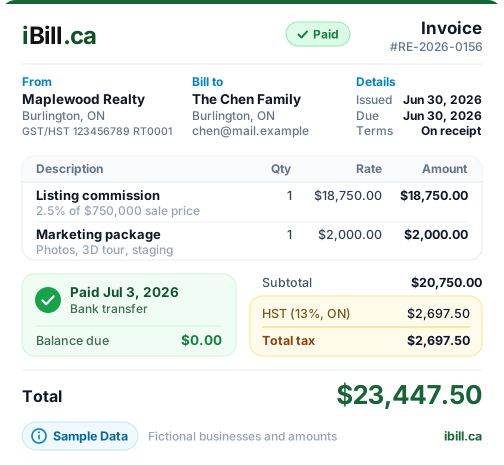
Real estate transactions in Canada involve a layered billing structure that goes well beyond a single commission line item. As a realtor, your invoices often need to reflect the split between your personal commission and your brokerage's share, referral fees owed to cooperating agents, and a range of disbursements you have fronted on behalf of your sellers. Getting these details right on every invoice is not just good practice -- it is essential for writing professional invoices that satisfy both your brokerage and the CRA.
Staging, Photography, and Marketing Pass-Throughs
Many listing agents coordinate and pre-pay for staging services, professional photography sessions (including drone and twilight shoots), virtual 3D tours, and targeted social media advertising. These costs are typically passed through to the seller at closing. Your invoice should itemize each service separately, including vendor names and dates, so that the seller can verify the charges and claim any applicable deductions. If you also work with photographers who invoice independently, you may need to reconcile their billing against what you pass through.
MLS Fees, Closing Costs, and Recurring Subscriptions
Beyond deal-specific expenses, Canadian realtors carry ongoing costs such as MLS subscriptions, real estate board dues, lockbox fees, and errors-and-omissions insurance premiums. While these are not typically invoiced to clients, tracking them alongside your commission income is critical for accurate payment tracking and year-end tax preparation. Maintaining a clear separation between client-facing charges and business overhead helps when your accountant prepares your T2125 or corporate return.
Referral Fees and Inter-Brokerage Invoicing
Referral transactions between agents or brokerages require their own invoices, and GST/HST applies to these fees just as it does to commissions. A referral invoice should reference the property address, the MLS number, the closing date, and the agreed referral percentage. Many realtors also work as independent consultants offering market analysis or buyer representation services on a flat-fee basis, which demands a different invoicing approach altogether. Whether you are billing a one-time closing or an ongoing advisory relationship, having a consistent invoicing workflow ensures nothing falls through the cracks during your busiest months.