
Mastering Consulting Invoice Structures in Canada
Canadian consultants face unique billing challenges that generic invoicing tools rarely address. Whether you operate as a solo management consultant charging daily rates or run a boutique advisory firm with multiple engagement types, structuring your invoices correctly determines how quickly you get paid and how professionally your clients perceive your practice.
Retainer vs. Project Billing: Choosing the Right Model
Retainer agreements provide predictable revenue but require clear scoping. When billing on retainer, your invoice should itemize the monthly retainer fee separately from any overage hours. Many IT consultants find that a hybrid model works best: a base retainer covering a set number of hours, with additional work billed at a premium hourly rate. This structure protects both you and your client from scope creep while keeping the relationship flexible.
Day Rates and Travel Expense Pass-Through
Management consultants working on-site typically bill day rates ranging from $1,200 to $3,500 depending on seniority and specialization. When travel is involved, Canadian tax rules allow you to pass through reasonable travel expenses to clients without markup. Your invoice should clearly separate professional fees from reimbursable expenses like flights, hotels, and meals. Using expense tracking to document these costs makes year-end reporting to the CRA straightforward and keeps your clients confident in the charges.
Deliverable-Based Milestones and International Clients
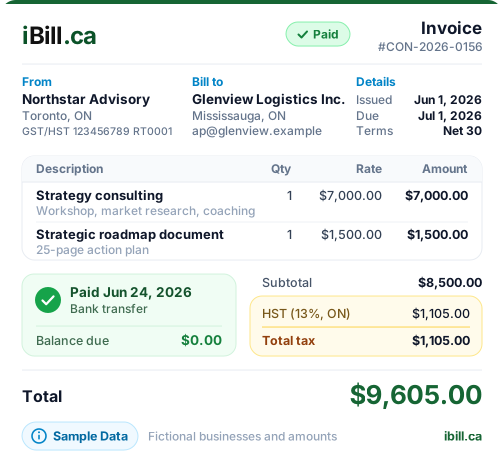
For larger engagements, milestone-based billing ties your payment to tangible deliverables such as strategy documents, audit reports, or implementation plans. This approach is especially useful for consultants who also serve accounting firms or financial institutions, where budget approval cycles can be lengthy. Before starting work, send a detailed quote or estimate that maps each milestone to a payment amount. When billing international clients in CAD, clearly state the currency on every invoice and note that GST/HST applies only to services consumed in Canada. For cross-border engagements, zero-rated exports may apply, but proper documentation is essential to support your position with the CRA.