
Why Electricians in Canada Need Dedicated Invoice Software
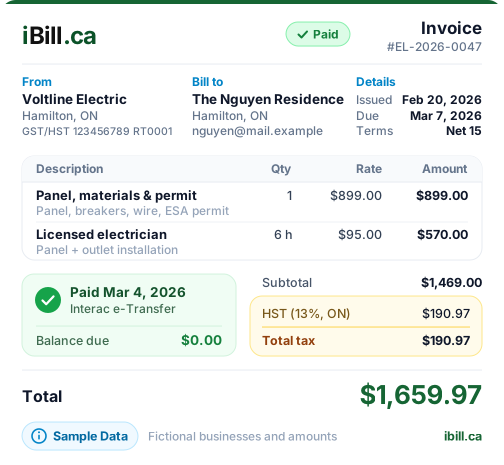
Electrical work in Canada carries a unique billing complexity that generic invoicing tools simply cannot handle well. A typical residential service call might include a diagnostic fee, labour charged at journeyman or master electrician rates, materials like wire, breakers, or receptacles, and an Electrical Safety Authority (ESA) permit fee that gets passed through to the client. When you are juggling panel upgrades in Mississauga, knob-and-tube rewiring in older Toronto homes, and emergency service calls across the GTA, each job demands a different invoice structure with different line items, tax treatments, and payment terms.
Canadian electricians operating as sole proprietors or small contractors face specific CRA requirements that make proper invoicing non-negotiable. Once your annual revenue exceeds $30,000, you must register for and charge GST/HST on all taxable services. In Ontario, that means adding 13% HST to every invoice. In Alberta, it is only 5% GST. Getting this wrong does not just frustrate clients -- it creates real liability at tax time. Many electricians who also handle work similar to plumbing contractors or HVAC technicians on mixed-trade renovation projects need invoicing that can handle multiple service categories on a single bill.
Job Costing and Materials Tracking for Electrical Work
The difference between a profitable electrical job and a money-losing one often comes down to accurate job costing. A 200-amp panel upgrade involves a main breaker panel ($300-$800), copper wire runs, connectors, the ESA inspection fee ($100-$250 depending on scope), and anywhere from 4 to 12 hours of labour. If your invoice does not break these costs out clearly, you cannot identify which types of jobs are actually making you money. A dedicated contractor invoice template lets you separate materials, labour, permit fees, and markup on each line so both you and your client see exactly where the money goes.
Electricians also need to track warranty work carefully. If you installed a panel two years ago and a breaker fails under warranty, that return visit still costs you labour and travel time even though you cannot bill for it. Your invoicing system should let you reference the original invoice number and flag warranty callbacks so you can quantify their true cost to your business. Understanding when to charge GST/HST on warranty parts versus labour replacements is another area where electricians frequently make costly mistakes that only surface during a CRA review.