
The Canadian Photographer's Guide to Professional Invoicing
Photography is one of the few professions where a single engagement can include session fees, product sales, licensing rights, and travel charges on the same invoice. Getting the structure right matters for both client trust and CRA compliance. Here is how experienced Canadian photographers handle the most common billing scenarios.
Session Fees, Second Shooters, and Travel
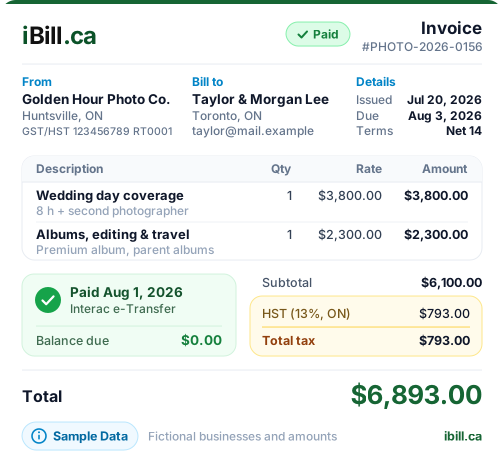
Your session fee is the anchor of every photography invoice. Wedding photographers in Canada typically charge between $2,500 and $8,000 for full-day coverage, while portrait sessions range from $150 to $500. When you hire a second shooter, their fee should appear as a distinct line item so clients understand the value of additional coverage. Travel fees deserve similar clarity. Many photographers establish a travel radius (commonly 30 to 50 km from their studio) and charge a flat rate or per-kilometre fee beyond that. If you are tracking mileage for CRA deductions on your own vehicle, setting your freelance rates to account for these costs ensures you remain profitable on destination shoots.
Image Licensing and Print Packages
Commercial photographers should always separate licensing fees from session fees on their invoices. A corporate headshot session might be $400, but extended commercial usage rights for advertising could add $1,000 or more. Including licensing terms directly in your invoice notes protects your intellectual property and sets clear boundaries. For portrait and family photographers, print and album packages represent significant revenue. Itemize each product clearly. Similar to how graphic designers separate design work from production costs, photographers should distinguish between creative services and physical products.
Deposits, Balance Billing, and Getting Paid
The industry standard for wedding and event photography in Canada is a 25 to 50 percent non-refundable retainer at booking, with the balance due before or on the event date. Your deposit invoice should clearly state it is a retainer, not a deposit, since retainers are typically non-refundable under Canadian contract law. When the final invoice arrives, show the retainer as a credit against the total so clients see exactly what remains owing. Using payment tracking ensures nothing slips through the cracks, especially during busy wedding season when you might have dozens of outstanding balances. For real estate photographers billing property agents, Net 15 terms are standard since agents expect quick turnaround on both images and invoices.