
Why Painting Professionals in Canada Need Dedicated Invoice Software
Painting contractors face an estimating and billing challenge that is unique among the trades: the enormous variability in job scope even within the same category of work. Painting a 10x12 bedroom with smooth drywall, no ceiling work, and a single colour might take three hours and cost $350. That same-sized room with a textured ceiling, crown moulding, a feature wall in a dark accent colour, and wallpaper removal on two walls could take two full days and cost $1,200. Your invoice needs to reflect this complexity so clients understand why the price is what it is, and so you can accurately quote the next similar job based on historical data from completed invoices.
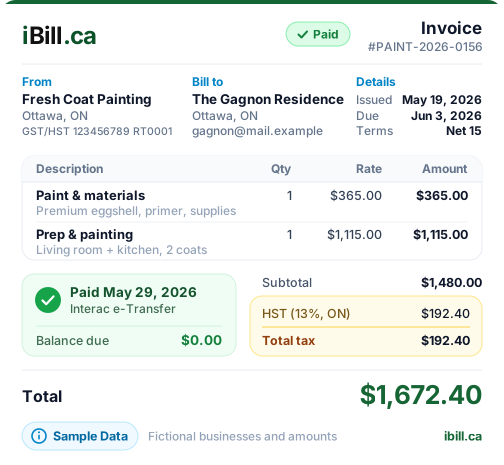
Materials markup is a significant profit centre for painting businesses, and how you present it on invoices matters. A gallon of premium paint costs $55 to $85 at contractor pricing, but the client-facing installed price typically includes a 30% to 50% markup that covers not just the paint but also primers, caulking, painter's tape, drop cloths, sandpaper, and the time spent at the paint store getting custom colours mixed. Some painters show a single "materials" line item, while others itemize paint separately from prep supplies. This markup decision is similar to what carpentry contractors navigate when billing for lumber and hardware, and what landscaping professionals deal with on sod and plant materials. The key is consistency -- pick an approach and apply it to every invoice so your margins are predictable and trackable.
Interior vs. Exterior and Commercial Pricing Structures
Exterior painting jobs introduce weather dependencies and seasonal pricing that your invoicing system must accommodate. A typical exterior residential repaint in Canada ($4,000 to $12,000 depending on home size and condition) often requires a deposit invoice, a progress invoice after prep and priming, and a final invoice upon completion. If rain delays push a three-day job into two weeks, your invoicing needs to track the actual hours worked versus the quoted flat rate so you can evaluate whether your pricing holds up. Using a professional contractor invoice template that supports milestone billing helps you maintain cash flow on longer exterior projects instead of waiting until the final coat is dry to send a single large invoice.
Commercial painting work -- offices, retail spaces, common areas in condominiums -- operates on an entirely different pricing model than residential. Commercial jobs are frequently bid by square footage ($1.50 to $4.00 per square foot depending on prep requirements and number of coats), and the invoicing must align with the original bid document so the property manager or general contractor can verify the charges. Many commercial clients require purchase order numbers, project codes, and holdback provisions on invoices, all of which need to appear clearly on your billing documents. Knowing what to include on every invoice is especially important for commercial painting work, where missing a PO number or failing to reference the original quote can delay payment by 30 to 60 days as the invoice bounces between accounts payable and the project manager.