
The Freelance Designer's Guide to Getting Paid Properly in Canada
Graphic design is one of the most diverse creative professions when it comes to billing structures. A single designer might charge a flat project fee for a brand identity package, an hourly rate for ad-hoc social media graphics, and a monthly retainer for ongoing creative direction -- all for different clients in the same week. The challenge is not just tracking the work, but communicating the value in a way that justifies your rates and prevents scope disputes. Many designers find that their billing approach closely mirrors that of web developers, especially when projects combine visual design with digital implementation.
Project-Based Billing and Revision Round Management
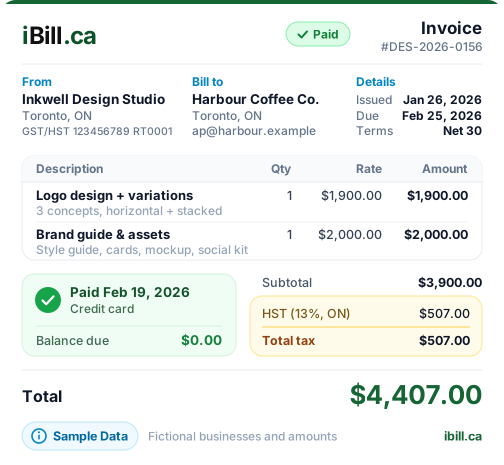
The most common billing dispute in graphic design revolves around revisions. A client who expected endless changes clashes with a designer who included only two rounds in the project fee. The solution is to be explicit on every invoice and in every quote or estimate you send. Specify the number of included revision rounds, define what constitutes a "round" (consolidated feedback from one decision-maker, not piecemeal changes over weeks), and state your hourly rate for additional revisions. When you invoice for extra revisions, list each revision session with its date and duration so the charges are transparent and defensible.
Print vs. Digital Deliverables and Licensing
How you deliver your work affects how you should invoice for it. Print-ready files (with bleeds, CMYK colour profiles, and press-ready PDFs) involve more production time than screen-resolution assets. Some designers charge a production fee for print preparation as a separate line item. Licensing is another area where Canadian designers often leave money on the table. If a client wants exclusive, unrestricted use of your design across all media and territories, that is worth significantly more than a license limited to their website and business cards. Adding a licensing line item to your invoice -- separate from the design fee -- signals professionalism and protects your intellectual property rights.
Stock Photo Licensing and Brand Package Pricing
Designers who purchase stock photography, premium fonts, or illustration assets on behalf of their clients should pass these costs through as separate invoice line items. Include the vendor name, license type, and the specific project the asset was used for. For comprehensive brand packages that include a logo, style guide, business cards, letterhead, and social media templates, consider tiered pricing that bundles these deliverables at a discount compared to purchasing each separately. Photographers face similar pass-through billing challenges with model releases and location fees. Knowing how to set your freelance rates for both individual assets and complete packages is one of the most impactful business decisions a designer can make.